

PREVENTATIVE MAINTENANCE
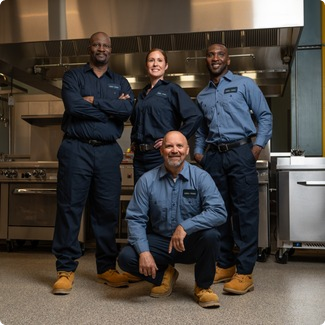
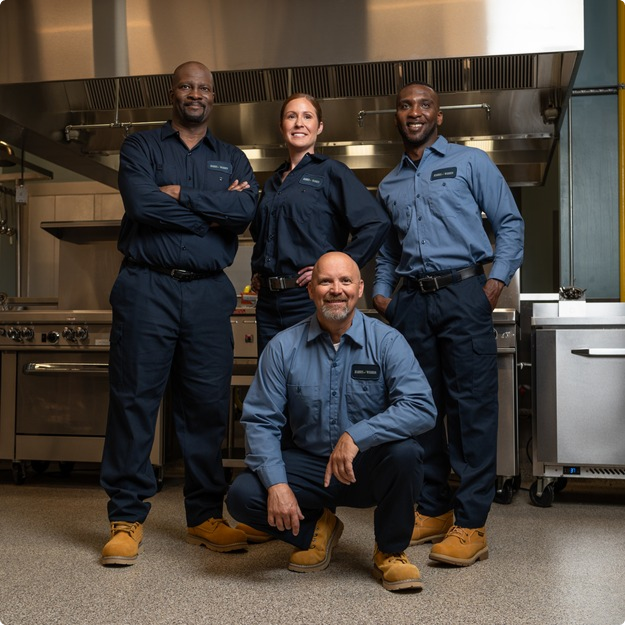
Your Local Preventative Maintenance Service Team
The old saying that an ounce of prevention is worth a pound of cure is especially true in a commercial kitchen. Planned maintenance prolongs the life of your equipment and keeps it running at its best.
On Cape Cod, it also has to fit the calendar. Many kitchens sit quiet all winter and then run flat out from Memorial Day to Labor Day, which is exactly when a skipped inspection turns into a breakdown. Harris Warren builds maintenance plans around your equipment, your budget and your season, from West Yarmouth across Barnstable and Plymouth Counties.
 44 Manufacturers Serviced
 90-Day Parts & Labor Guarantee
OUR APPROACH
Instead of putting you on an out-of-the-box maintenance program, we:
At Harris Warren Commercial Kitchens, doing the right thing is part of our company mission. Since 1987, we’ve trained our technicians to treat every customer’s business as if it were their own, and to recommend only the service that’s genuinely in your best interest.
SIMPLE, FAST, RELIABLE
How Planned Maintenance Works
From your first call to your first scheduled visit, here’s what to expect when you enroll in a Harris Warren Commercial Kitchens preventative maintenance program.

Call or Request Online
Call 508-419-9010 or submit a request online to talk through enrolling your equipment in a preventative maintenance program. No emergency required, and the best time to call is before one happens.

Custom Program Built
We build a program around your equipment, usage, budget and season, deciding the right frequency and scope, whether that’s a single ice machine or your entire kitchen. Seasonal businesses typically start with a spring startup visit and a mid summer check.

Scheduled Service Visits
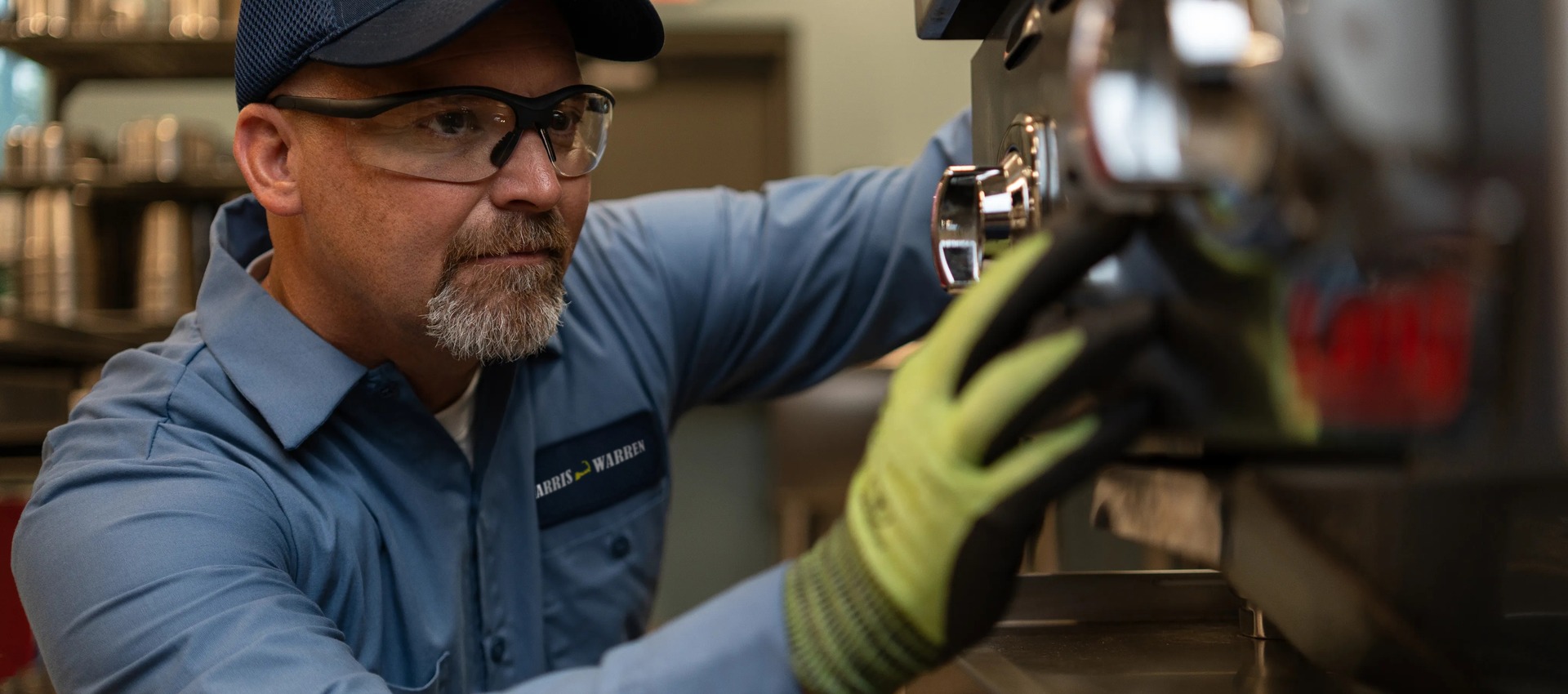
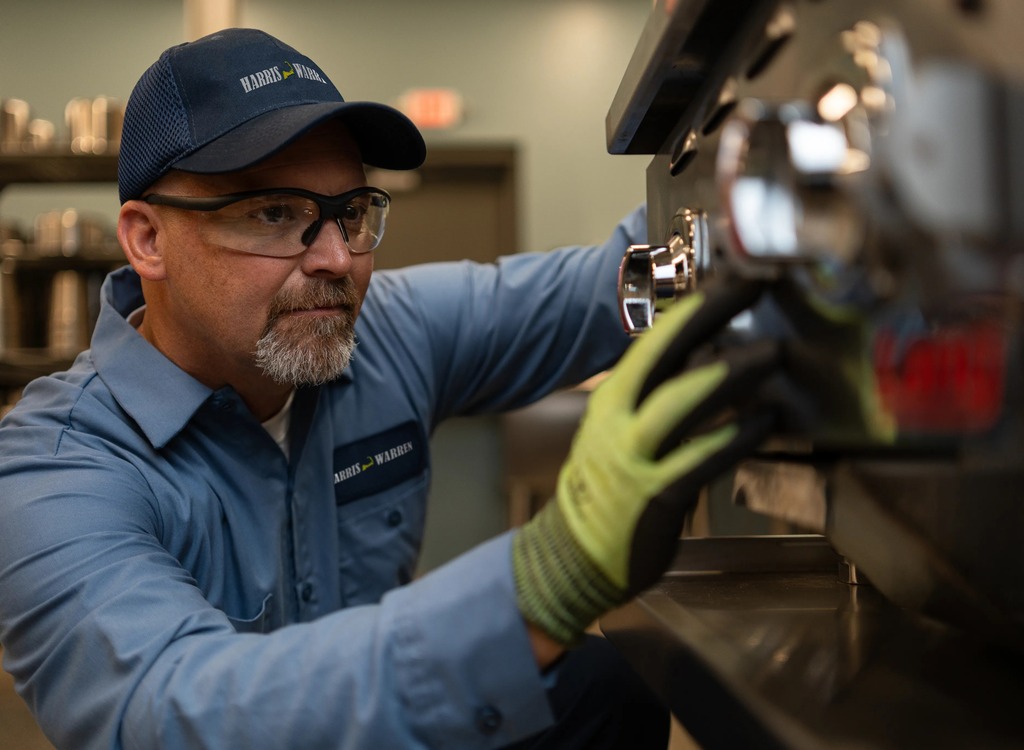
Your technician arrives as scheduled to perform preventive checks, including safety inspections for loose wires, frayed cords and gas leaks, and completes any service the equipment needs. Visits are planned around your service hours, not in the middle of your rush.

Test, Document, & Follow Up
Every visit is documented, so you have a clear record of each unit’s condition for budgeting, warranty questions and health inspections, and we follow up to keep your program on schedule year after year.
THE HARRIS-WARREN DIFFERENCE
Why Choose Harris Warren For Planned Maintenance?
A preventative maintenance program is only as good as the partner running it. Here’s what sets Harris Warren Commercial Kitchens apart.

Highly Skilled Technicians
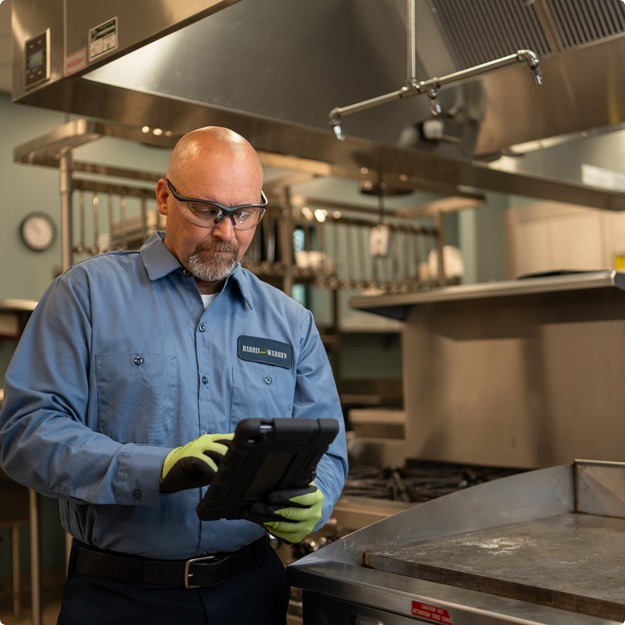
Our technicians train through Tech24 University across cooking, refrigeration, dish, beverage and HVAC equipment, so one maintenance visit can cover the whole kitchen instead of one category.

We Stock the Most Commonly Used Parts
Maintenance visits often turn up worn parts. We carry the most frequently used factory specification parts on our vans, so gaskets, belts, filters and igniters can be replaced on the same visit.

90-Day Guarantee
Any repair made during a maintenance visit is backed by Harris-Warren’s 90-day guarantee on parts and labor. If the same problem returns within 90 days, we come back and fix it at no charge.

Thorough, Multi-Point Inspections When You Need It Most
We can also help you prepare for an upcoming health inspection with a visit that includes burner inspection, thermostat calibration, refrigeration temperature checks, gasket checks, gas pressure testing and thorough cleaning. Not just a quick look.

All Fuel Types & Configurations
Natural gas, propane, electric and dual fuel, we service every configuration. Our technicians work on atmospheric and infrared burner systems across 44 authorized manufacturers and many more we service.
High
High
High
High
Medium
Medium
Medium
Low
FREQUENTLY ASKED QUESTIONS
Preventative Maintenance FAQ
Answers to the questions we hear most about planned maintenance. Don’t see yours? Give us a call.
Every visit includes safety checks for loose wires, frayed cords and gas leaks, plus service specific to your equipment: burner inspection and thermostat calibration on the hot side, coil cleaning and gasket checks on refrigeration, sanitizing on ice machines and gas pressure testing.
The technician documents each unit’s condition and flags parts that are wearing, so you can replace them on your schedule instead of during a breakdown.
We start with your equipment list, how heavily each unit is used, your budget and your season, then build a program with the right frequency and scope, whether that’s a few key units or your entire kitchen.
A year round restaurant in Hyannis and a seasonal clam shack in Wellfleet need very different schedules. Year round kitchens often choose quarterly visits; seasonal ones usually need a spring startup and a peak season check.
Book a startup visit a few weeks before you open, usually in April or May, and a mid season check in July or August when equipment is working hardest. If you close for winter, a shutdown visit helps protect equipment while the building sits.
Spring is when installers and service companies start getting busy on the Cape. Booking early gets you the dates you want and leaves time to order any parts the startup visit turns up before Memorial Day.
It’s entirely up to you. A program can cover a single piece of equipment, one category such as refrigeration or ice, or your whole kitchen, including HVAC and exhaust.
Many operators start with the equipment that would hurt most to lose: walk ins, ice machines and the fryers or ovens that carry the menu. Once they see the results, they often add the rest.
It depends on your equipment and how you use it, but the savings come from three places: fewer emergency calls at overtime rates, less lost product and downtime, and equipment that lasts longer before replacement.
The clearest way to estimate it is to look at the last year of repair invoices. Harris Warren can review them with you and show which failures a maintenance plan would likely have caught.
Yes. Harris Warren provides preventative maintenance services from its West Yarmouth office across Barnstable and Plymouth Counties, including Hyannis, Dennis, Falmouth, Mashpee, Sandwich and Harwich Port, and across the canal to Wareham and Plymouth.
Programs work for a single location or several, with one schedule and one set of records. For locations beyond those two counties, Tech24 can coordinate service through nearby branches.
PREVENTATIVE MAINTENANCE
Stop Breakdowns Before The Season Starts
A preventative maintenance program from Harris Warren Commercial Kitchens means fewer surprise breakdowns, lower repair costs and equipment that lasts longer. We serve kitchens from Wellfleet to Sandwich and across the canal to Wareham and Plymouth, and if something does come up between visits, the same local technicians and 24/7 dispatch have you covered.